RD YACHT REFINISHING • SOUTH FLORIDA

Gelcoat Repair in Fort Lauderdale

Professional boat and yacht gelcoat repair for cracks, chips, scratches, gouges, oxidation and damaged fiberglass surfaces.

RD Yacht Refinishing repairs damaged gelcoat by addressing the condition of the affected area, preparing the surface, repairing underlying fiberglass when necessary, and restoring the finish so the repair blends naturally with the surrounding surface.

Crack & Chip Repair Color Matching Gelcoat Restoration
RD
Located in Davie, Florida Serving Fort Lauderdale & South Florida
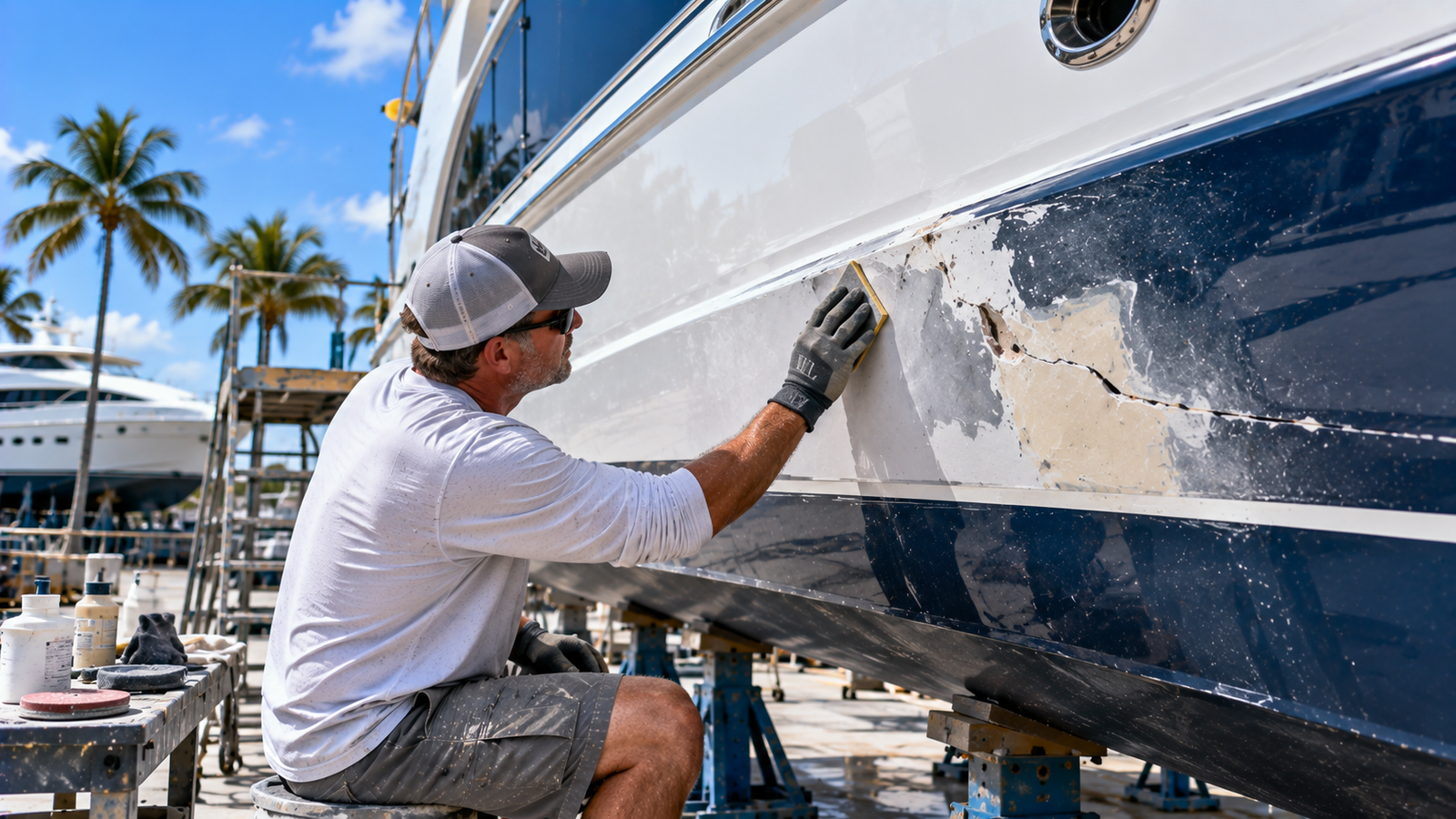
Technician performing gelcoat repair on a boat or yacht hull in South Florida
PROFESSIONAL GELCOAT REPAIR Repair. Match. Blend. Finish.
01
START WITH THE DAMAGE Repair More Than What You See

Proper gelcoat repair starts by determining whether the problem is limited to the finish or extends into the fiberglass beneath it.

GELCOAT REPAIR From damaged surface to restored finish.
01
Inspect Evaluate the damage
02
Repair Correct the affected area
03
Restore Match, finish & polish
UNDERSTANDING GELCOAT DAMAGE

What Is Gelcoat Repair?

Gelcoat repair restores damaged areas of the smooth exterior surface found on many fiberglass boats and yachts. The repair can involve correcting cracks, chips, scratches, gouges, oxidation and other localized surface damage.

The important first step is determining whether the damage is limited to the gelcoat or whether the fiberglass beneath the surface has also been affected. That distinction helps define the proper repair process.

GELCOAT
THE BASIC IDEA

Repair the Surface. Check What Is Underneath It.

A visible crack or chip may be limited to the exterior gelcoat, or it may be evidence of damage extending into the fiberglass below. Proper repair starts by evaluating the affected area before deciding how much work is needed.

GELCOAT VS. FIBERGLASS

Surface Damage or Fiberglass Damage?

They can appear in the same area, but gelcoat damage and fiberglass damage are not the same thing.

02
BENEATH THE SURFACE

Fiberglass Damage

When damage extends below the gelcoat into the fiberglass, the underlying fiberglass needs to be addressed before the exterior surface can be properly restored.

Impact Damage Cracked Fiberglass Damaged Laminate Previous Repairs
Explore Fiberglass Repair →
THE REPAIR DECISION

Start With the Visible Damage

01 Inspect Examine the damaged area
→
02 Determine Depth Surface only or deeper damage?
→
03 Repair Correct what is actually damaged
→
04 Restore Blend and finish the surface
COMMON GELCOAT CONDITIONS

What Can Happen to a Gelcoat Surface?

01

Cracks

Visible cracking can range from localized surface damage to an indication that the area should be inspected for problems beneath the gelcoat.

02

Crazing

Fine networks of small cracks can develop across portions of the gelcoat and affect the appearance of the surface.

03

Chips

Small areas of gelcoat can break away and leave a visible depression or exposed area requiring preparation and repair.

04

Scratches

Scratches vary in depth. Some affect only the surface, while deeper scratches may require a more involved gelcoat repair.

05

Gouges

Deeper surface damage may remove more of the gelcoat and should be evaluated to determine whether the fiberglass underneath has also been affected.

06

Oxidation

Aging and environmental exposure can leave gelcoat looking dull, chalky or faded and may lead to a larger restoration discussion.

RD
GELCOAT REPAIR PRINCIPLE

Don't Cover Damage Before Understanding It.

A successful repair begins by understanding the condition of the damaged area. If the problem extends into the fiberglass, that underlying damage should be addressed before the gelcoat surface is restored.

GELCOAT DAMAGE

Types of Gelcoat Damage We Repair

Gelcoat damage can range from a small surface chip or scratch to widespread cracking, fading or impact damage that extends into the fiberglass beneath the finish.

RD Yacht Refinishing evaluates the affected area to determine the condition of the gelcoat and whether additional fiberglass repair is needed before restoring the exterior surface.

01 SURFACE DAMAGE

Gelcoat Cracks

Cracks can develop in isolated areas of a boat or yacht surface. Before repairing the visible crack, the area should be evaluated to determine whether the problem is limited to the gelcoat or connected to movement or damage underneath it.

Inspect before repairing the surface.
02 FINE CRACKING

Spider Cracks & Crazing

Crazing often appears as a network of fine cracks across the gelcoat. The affected area needs to be examined before deciding whether localized surface repair is appropriate or whether a larger area requires correction.

Fine cracks can extend across a larger area.
03 LOCALIZED DAMAGE

Chips

Impact or contact can remove a small section of gelcoat, leaving a visible chip or depression. The damaged area can be prepared, repaired and finished to restore a smoother, more consistent surface.

Common around exposed exterior surfaces.
04 SURFACE ABRASION

Scratches

Scratches vary considerably in depth. Light surface marks may require a different approach than scratches that cut deeply into the gelcoat, so the depth and condition of the damaged area matter.

Repair depends on depth and condition.
05 DEEPER SURFACE DAMAGE

Gouges

A deeper gouge can remove a more substantial portion of the gelcoat. These areas should be inspected to determine whether the damage stops at the exterior finish or reaches the fiberglass laminate underneath.

Deeper damage may involve fiberglass.
06 WEATHERED FINISH

Fading & Oxidation

Sun and marine exposure can leave older gelcoat looking dull, faded or chalky. The condition of the existing surface helps determine whether restoration is practical or whether a larger refinishing approach should be considered.

Condition determines the restoration approach.
IMPACT & CONTACT DAMAGE

When the Damage Goes Deeper Than the Gelcoat

Dock contact, impacts and other localized damage can affect more than the exterior finish. A crack, chip or gouge may expose or damage the fiberglass beneath the gelcoat.

When underlying fiberglass repair is needed, that work should be addressed before restoring the exterior gelcoat surface.

Learn About Fiberglass Repair →
01 Visible Damage Crack, chip or gouge
02 Inspect Below Check the fiberglass
03 Repair as Needed Correct underlying damage
04 Restore Finish Complete the gelcoat surface
EVERY REPAIR IS DIFFERENT

Localized Damage vs. Larger Surface Problems

The size of the visible defect is only part of the evaluation. The depth, surrounding surface condition and condition beneath the gelcoat can all affect the repair.

01

Localized Gelcoat Damage

Individual chips, scratches, cracks and gouges may be candidates for localized repair when the surrounding surface and underlying fiberglass are in suitable condition.

  • Individual chips
  • Localized scratches
  • Small damaged areas
  • Isolated cracks or gouges
RD
NOT SURE HOW DEEP THE DAMAGE GOES?

Start With an Evaluation of the Damaged Area.

RD Yacht Refinishing can evaluate the visible condition and determine whether the work appears limited to the gelcoat or whether fiberglass repair should also be part of the project.

THE GELCOAT REPAIR PROCESS

How We Approach Gelcoat Repair

A quality gelcoat repair involves more than filling the visible defect. The damaged area must be evaluated, properly prepared and repaired before the surrounding finish can be matched, blended and restored.

01 Inspect
→
02 Prepare
→
03 Repair
→
04 Match
→
05 Blend
→
06 Finish
01
EVALUATE THE AREA

Inspect the Gelcoat Damage

The process starts by examining the damaged area, surrounding surface and visible condition of the gelcoat. Cracks, chips, scratches and gouges can vary considerably in depth and severity.

This evaluation helps determine whether the repair appears limited to the gelcoat or whether damage beneath the surface also needs attention.

02
CREATE A SOUND REPAIR AREA

Prepare the Damaged Surface

Damaged, loose or deteriorated material must be addressed so the repair is made against a properly prepared surface rather than simply covering the visible defect.

Preparation may include cleaning, sanding and carefully opening or feathering the damaged area depending on the type of repair required.

03
WHEN DAMAGE EXTENDS DEEPER

Repair Fiberglass When Needed

Some gelcoat damage is cosmetic. Other damage extends through the exterior finish and affects the fiberglass beneath it.

When fiberglass damage is present, the underlying area should be repaired before completing the exterior gelcoat restoration.

Explore Fiberglass Repair →
04
RESTORING THE APPEARANCE

Match the Existing Gelcoat

Localized repairs require attention to the color and appearance of the surrounding gelcoat. This becomes especially important on older boats where sunlight, oxidation and years of exposure may have changed the original surface color.

The objective is to develop a suitable match for the existing surrounding finish before completing the visible repair.

05
REBUILD THE FINISH

Apply, Shape & Blend the Repair

The repair material is applied to rebuild the damaged portion of the gelcoat. The area is then shaped and worked so it transitions smoothly into the surrounding surface.

Careful blending is particularly important with localized repairs because the repaired area sits directly beside the vessel's existing finish.

06
FINAL SURFACE

Sand, Finish & Polish

After the repaired material is ready for finishing, the surface can be progressively worked to smooth the transition between the repaired area and the existing gelcoat.

Final finishing and polishing restore gloss and help integrate the repaired area with the surrounding surface.

COLOR
WHY COLOR MATCHING MATTERS

Older Gelcoat Doesn't Always Match Its Original Color

Sunlight and weather exposure can gradually change the appearance of a boat's gelcoat. That means matching a localized repair is not always as simple as using the vessel's original color. The existing surrounding finish must also be considered.

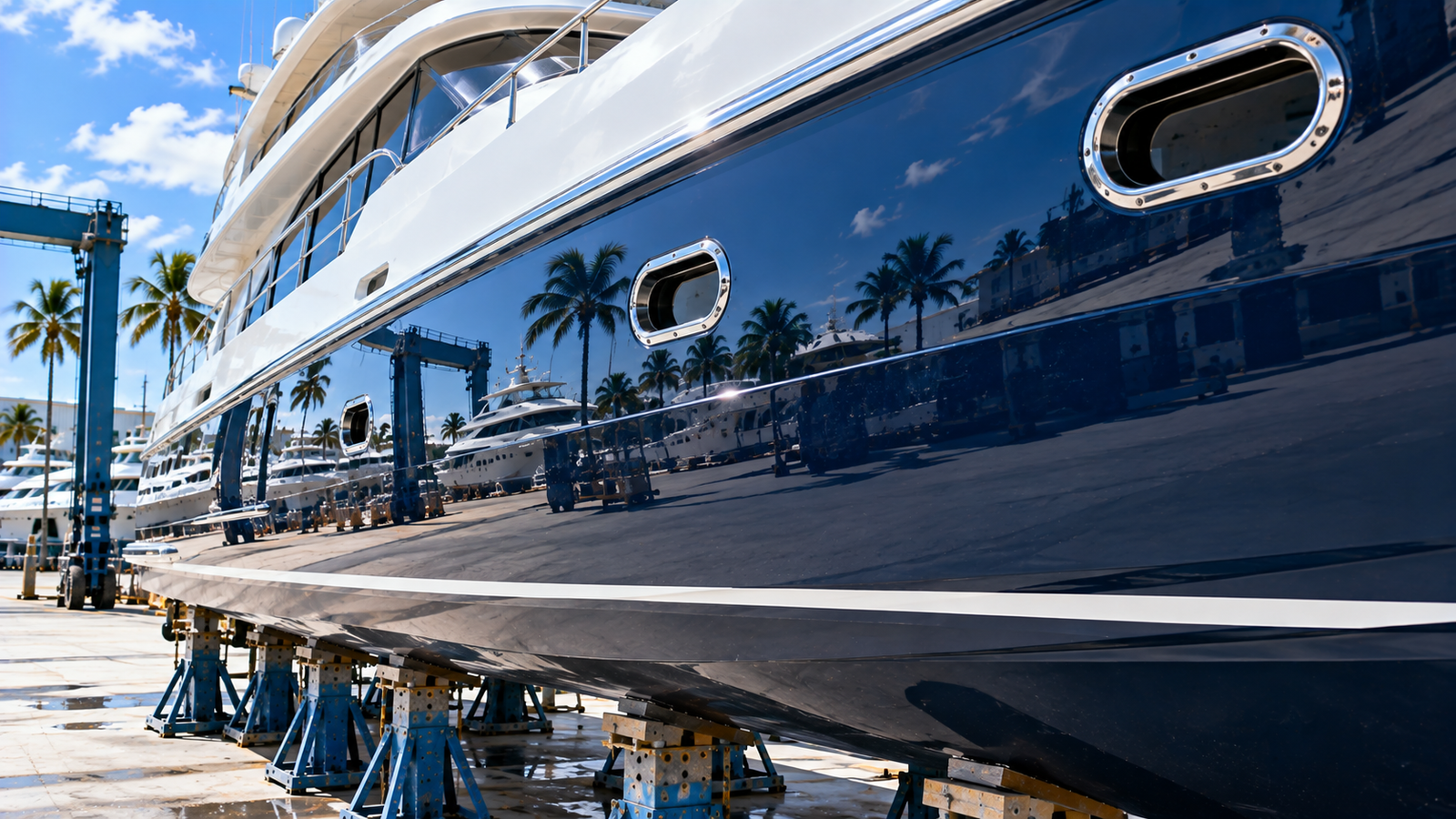
Completed gelcoat repair and restored glossy finish on a boat or yacht
COMPLETED GELCOAT REPAIR Smooth. Blended. Finished.
THE FINISHED SURFACE

From Visible Damage to a Restored Finish

The goal of the repair process is to correct the damaged area and restore a smooth, consistent exterior surface that works naturally with the surrounding gelcoat.

01 Damage Corrected
02 Surface Rebuilt
03 Color Matched
04 Finish Restored
THE RD APPROACH

Repair What's Damaged. Then Restore the Finish.

Proper gelcoat work starts below the shine. The condition of the repair area comes first, followed by the work required to restore its exterior appearance.

Request a Gelcoat Repair Estimate
RESTORE, REPAIR OR REFINISH?

Gelcoat Restoration & Color Matching

Not every dull, faded or damaged gelcoat surface requires the same solution. Some areas may be suitable for localized repair, while weathered surfaces may require restoration and more extensive deterioration may call for a broader refinishing approach.

The condition of the existing gelcoat, the amount of damage, the surrounding finish and the desired final appearance all help determine the appropriate direction.

01
LOCALIZED DAMAGE

Gelcoat Repair

Localized chips, scratches, gouges and damaged areas may be addressed individually when the surrounding gelcoat remains in suitable condition.

  • Chips
  • Scratches
  • Localized cracks
  • Small gouges
03
EXTENSIVE DETERIORATION

Marine Refinishing

When deterioration is widespread or the existing finish is no longer a good candidate for localized repair or restoration, a larger refinishing or painting project may make more sense.

  • Widespread deterioration
  • Extensive surface problems
  • Large refinishing areas
  • Desired color change
LOCALIZED REPAIRS

Why Gelcoat Color Matching Matters

A localized repair sits directly beside the boat's existing finish. That makes color matching an important part of the repair process.

Over time, sunlight and environmental exposure can change the appearance of gelcoat. The surrounding surface may no longer look exactly like the vessel's original factory color.

For that reason, a repair needs to consider the color and condition of the gelcoat that is on the boat today.

COLOR MATCHING CONSIDERATIONS
01
Age Existing gelcoat may change appearance over time.
02
UV Exposure Sun exposure can contribute to fading and color shift.
03
Oxidation Surface deterioration can affect color and gloss.
04
Surrounding Finish The repair needs to work with the surface around it.
FADED & OXIDIZED GELCOAT

Can Faded Gelcoat Be Restored?

In some cases, yes. If usable gelcoat remains beneath the weathered surface, correction and polishing may improve color and gloss without moving directly to a complete repaint.

01

Light Weathering

A surface that has begun to lose gloss may require a less involved correction than heavily deteriorated gelcoat.

02

Oxidized Gelcoat

Chalky, faded or oxidized gelcoat may require more involved surface correction before gloss can be restored.

03

Localized Damage

Individual defects may require repair in addition to restoration of the surrounding weathered surface.

04

Extensive Deterioration

When the condition affects large areas, the project may move beyond restoration into a larger refinishing discussion.

GELCOAT OR MARINE PAINT?

When Does Painting Make More Sense?

There is no single rule that applies to every boat. The condition and extent of the existing finish should be evaluated before deciding between gelcoat repair, restoration and marine painting.

OPTION 01

Consider Gelcoat Repair or Restoration

Localized Damage Chips, scratches or isolated damaged areas.
Restorable Surface Existing gelcoat remains suitable for correction.
Oxidation Weathered surface may respond to restoration.
Original Finish Keeping the existing gelcoat is the preferred direction.
OPTION 02

Consider Marine Painting or Refinishing

Widespread Deterioration Problems extend across large surface areas.
Extensive Surface Problems Localized repairs may not be the practical approach.
Larger Refinish Project The vessel already requires broader surface work.
Color Change A new exterior color or finish is desired.
RD
THE RIGHT APPROACH STARTS WITH CONDITION

Repair It, Restore It or Refinish It?

RD Yacht Refinishing can evaluate the visible condition of the surface and discuss whether localized gelcoat repair, broader restoration or marine refinishing is appropriate for the project.

Request an Estimate
SOUTH FLORIDA MARINE SERVICE

Gelcoat Repair for Fort Lauderdale & South Florida Boats

South Florida boats and yachts spend their lives in an environment that can be hard on exterior finishes. Sun, saltwater, frequent use and everyday contact around docks and marinas can all contribute to gelcoat wear and damage.

RD Yacht Refinishing provides professional gelcoat repair and restoration from our Davie location, serving boat and yacht owners throughout Fort Lauderdale, Broward County and the surrounding South Florida area.

THE SOUTH FLORIDA ENVIRONMENT

What Local Boats Are Up Against

Exterior gelcoat is continually exposed to the conditions surrounding the vessel. Over time, that exposure can affect both appearance and surface condition.

01

Strong Sun & UV Exposure

South Florida sunlight can contribute to fading, oxidation and changes in the appearance of exposed gelcoat surfaces.

02

Saltwater Environment

Boats operating around coastal South Florida are regularly exposed to saltwater and a demanding marine environment.

03

Dock & Marina Contact

Everyday contact around docks, pilings and other surfaces can leave scratches, chips, gouges and localized impact damage.

04

Frequent Boat Use

Year-round boating means exterior surfaces can see frequent use and repeated exposure rather than a long seasonal layup.

RD YACHT REFINISHING

Located in Davie.
Serving Fort Lauderdale.

RD Yacht Refinishing is located at 4960 SW 52nd St, Bay 416, Davie, FL 33314, providing convenient access for boat and yacht repair and refinishing projects in the greater Fort Lauderdale and Broward County area.

Our gelcoat services connect naturally with the fiberglass repair, surface preparation, yacht refinishing and marine painting work that may be required when a project extends beyond a localized surface repair.

LOCATION Davie, Florida Broward County
PRIMARY SERVICE AREA Fort Lauderdale & surrounding South Florida
EXPERIENCE 35+ Years Combined Experience
VESSELS Boats & Yachts Different sizes & projects
MORE THAN A SURFACE REPAIR

When Your Project Needs Additional Work

Visible gelcoat damage can sometimes be part of a larger repair or refinishing project. RD provides related marine services that can be coordinated when additional work is needed.

RD YACHT REFINISHING

One Shop for the Repair and the Finish

Gelcoat problems do not always stop at the surface. Having related fiberglass repair, fairing, refinishing and marine painting capabilities allows the project to follow the work that is actually required.

01 Evaluate the Damage

Determine whether the visible problem appears limited to the gelcoat or extends beneath it.

02 Address the Repair

Complete the gelcoat or connected fiberglass work required for the affected area.

03 Restore the Surface

Finish the repaired area with attention to the surrounding appearance and surface condition.

GELCOAT REPAIR • FORT LAUDERDALE

Have Cracked, Chipped, Scratched or Faded Gelcoat?

Tell us about the damaged area and your boat or yacht. RD Yacht Refinishing can evaluate the project and discuss the appropriate repair or restoration approach.

Request a Gelcoat Repair Estimate
CALL RD YACHT REFINISHING (954) 314-7336
GELCOAT REPAIR FAQ

Frequently Asked Questions About Boat & Yacht Gelcoat Repair

Answers to common questions about gelcoat cracks, chips, scratches, oxidation, color matching, fiberglass damage and gelcoat restoration in Fort Lauderdale and South Florida.

01 Can damaged boat gelcoat be repaired? +

Yes. Many types of localized gelcoat damage can be repaired, including chips, scratches, gouges and some cracks. The damaged area should first be evaluated to determine whether the problem is limited to the gelcoat or extends into the fiberglass beneath it.

02 Can cracks in gelcoat be repaired? +

Gelcoat cracks can often be repaired, but it is important to understand why the cracking occurred. Some cracks are limited to the exterior surface, while others may be associated with movement or damage underneath the gelcoat.

03 What is the difference between gelcoat damage and fiberglass damage? +

Gelcoat is the visible exterior finish on many fiberglass boats and yachts. The fiberglass laminate is underneath that exterior surface. A chip or scratch may affect only the gelcoat, while a deeper impact can damage the fiberglass below it.

When fiberglass damage is present, the underlying repair should be addressed before the exterior gelcoat finish is restored.

04 Can you match the existing gelcoat color? +

Color matching is an important part of localized gelcoat repair. The existing surface is considered when developing the repair color because sunlight, oxidation, age and environmental exposure can change the appearance of gelcoat over time.

Older or heavily weathered gelcoat can make matching more complex, so the surrounding finish must be considered rather than relying only on the vessel's original color.

05 Can faded or oxidized gelcoat be restored? +

Some faded or oxidized gelcoat can be restored if the existing surface remains suitable for correction. Depending on its condition, the work may involve surface correction and polishing to improve color and gloss.

If deterioration is extensive, a larger refinishing approach may be more appropriate.

06 Can scratches and gouges in gelcoat be repaired? +

Yes, many scratches and gouges can be repaired. The depth of the damage matters. A shallow scratch may require a different approach than a deep gouge that removes the gelcoat and reaches the fiberglass below.

07 What are spider cracks or gelcoat crazing? +

Crazing or spider cracking appears as a network of fine cracks across the gelcoat surface. The area should be evaluated before repair because the extent of the cracking and the condition underneath can affect the appropriate repair approach.

08 Does gelcoat repair require fiberglass repair too? +

Not always. Some damage is limited to the exterior gelcoat. If an impact, crack or gouge has also damaged the fiberglass underneath, the fiberglass portion of the repair should be addressed before restoring the exterior finish.

Learn more about Fiberglass Repair →
09 What is involved in a professional gelcoat repair? +

The exact process depends on the damage, but a localized repair can involve inspecting the area, preparing the damaged surface, completing fiberglass repair when necessary, matching the surrounding gelcoat, rebuilding the damaged area, and finishing and polishing the repaired surface.

10 Is it better to restore gelcoat or paint the boat? +

It depends on the condition of the existing surface. Localized damage or a restorable gelcoat surface may be suitable for repair or restoration. Widespread deterioration, extensive surface problems, a larger refinishing project or a desired color change may make marine painting worth considering.

Explore Boat & Yacht Painting →
11 Can dock or impact damage affect more than the gelcoat? +

Yes. Dock contact or an impact can damage the visible gelcoat and may also affect the fiberglass underneath. Deeper chips, gouges or cracking should be evaluated to determine how far the damage extends before the exterior surface is repaired.

12 Do you repair gelcoat on both boats and yachts? +

Yes. RD Yacht Refinishing works on boats and yachts of different sizes. The repair approach depends on the location, type and extent of the damaged gelcoat rather than simply the overall size of the vessel.

13 Where is RD Yacht Refinishing located? +

RD Yacht Refinishing is located at 4960 SW 52nd St, Bay 416, Davie, Florida 33314. We serve Fort Lauderdale, Broward County and the surrounding South Florida area.

14 How do I get an estimate for gelcoat repair? +

Contact RD Yacht Refinishing with information about your boat or yacht and the damaged area. Photos can also help show the visible condition of cracks, chips, scratches, gouges, oxidation or other gelcoat damage when discussing the project.

Request a Gelcoat Repair Estimate →
QUICK ANSWER Gelcoat or Fiberglass?
SURFACE Gelcoat Finish, color & exterior appearance
+
UNDERNEATH Fiberglass Laminate beneath the exterior finish
=
WHEN BOTH ARE DAMAGED Repair Both Address below the surface before finishing
RD YACHT REFINISHING

Need Gelcoat Repair in Fort Lauderdale?

From localized cracks, chips and scratches to faded gelcoat and damage that extends into the fiberglass, RD Yacht Refinishing can evaluate the affected area and determine the repair approach your project requires.

Gelcoat Repair Color Matching Gelcoat Restoration Fiberglass Repair
GELCOAT REPAIR Fort Lauderdale & South Florida
CALL (954) 314-7336
LOCATION Davie, Florida Serving Fort Lauderdale & Broward County
SERVICES Boats & Yachts Repair • Restoration • Refinishing
Repair the damage.
Restore the finish.